The Ultimate Homemade Mac and Cheese Recipe: America’s Favorite Comfort Food

Choosing the Best Cheese
Cheese is the heart of every macaroni and cheese recipe.
Sharp cheddar offers bold flavor and vibrant color, making it the traditional favorite.
Gruyère adds a slightly nutty taste and melts exceptionally well.
Monterey Jack contributes outstanding creaminess.
Mozzarella creates the irresistible cheese pull many people love.
Parmesan introduces salty, savory notes that elevate the overall flavor.
Many professional chefs recommend combining at least three different cheeses to balance sharpness, creaminess, and complexity. The result is a silky sauce that coats every piece of pasta evenly while delivering rich, satisfying flavor in every bite.
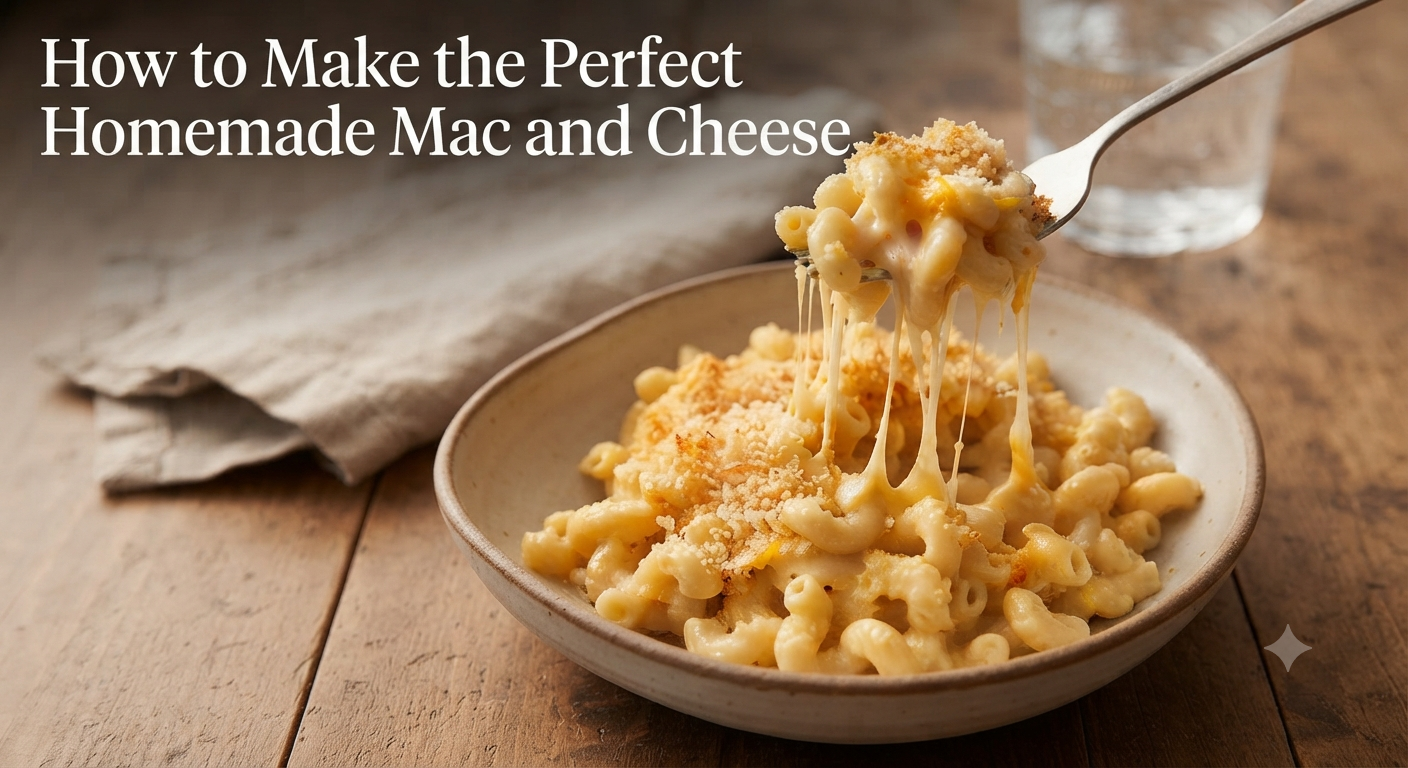
How to Make the Perfect Homemade Mac and Cheese
Now that you understand the history of this beloved American dish and have selected the best ingredients, it’s time to prepare an irresistibly creamy homemade mac and cheese. The secret is not complicated—it simply requires attention to detail, proper timing, and high-quality ingredients.
Unlike boxed macaroni and cheese, a homemade version allows you to control every aspect of the recipe. You can adjust the richness, choose your favorite cheeses, and create a dish that perfectly suits your family’s taste.
Preparation Time
– Preparation Time: 15 minutes
– Cooking Time: 30 minutes
– Total Time: 45 minutes
– Servings: 6–8
– Difficulty Level: Easy
Ingredients
For the Pasta
– 1 pound (450 g) elbow macaroni
– 1 tablespoon salt (for boiling water)
For the Cheese Sauce
– 4 tablespoons unsalted butter
– 4 tablespoons all-purpose flour
– 4 cups whole milk
– 2 cups sharp cheddar cheese, freshly shredded
– 1 cup Gruyère cheese, shredded
– 1 cup Monterey Jack cheese, shredded
– ½ cup Parmesan cheese, grated
– 1 teaspoon garlic powder
– 1 teaspoon onion powder
– ½ teaspoon paprika
– 1 teaspoon Dijon mustard
– Salt and freshly ground black pepper to taste
Optional Crispy Topping
– 1 cup panko breadcrumbs
– 2 tablespoons melted butter
– ¼ cup grated Parmesan cheese
– A pinch of paprika
Step 1: Cook the Pasta
Bring a large pot of water to a rolling boil. Add salt generously, as this is the only opportunity to season the pasta itself.
Cook the macaroni until it reaches an al dente texture. The pasta should still have a slight firmness because it will continue cooking once combined with the hot cheese sauce and baked.
Drain the pasta immediately and set it aside. Avoid rinsing it, as the natural starch helps the sauce cling to the noodles.
Step 2: Prepare the Roux
Place a large saucepan over medium heat.
Add the butter and allow it to melt completely.
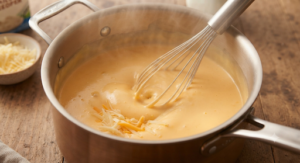
Whisk in the flour gradually until a smooth paste forms.
Continue whisking for about two minutes. Cooking the flour removes its raw taste while creating the perfect base for a silky sauce.
The mixture should appear smooth and lightly golden but should never brown.
Step 3: Add the Milk
Slowly pour the milk into the roux while whisking constantly.
Adding the milk gradually prevents lumps from forming.
Continue stirring until the mixture becomes smooth and begins to thicken.
This usually takes between five and seven minutes.
Patience is important during this stage because rushing can lead to an uneven sauce.
Step 4: Add the Seasonings
Once the sauce has thickened slightly, stir in:
– Garlic powder
– Onion powder
– Paprika
– Dijon mustard
– Black pepper
– Salt
Taste the sauce before adding additional salt, since many cheeses naturally contain plenty of sodium.
Step 5: Melt the Cheese
Reduce the heat to low.
Add the cheeses one handful at a time.
Stir continuously until each addition melts completely before adding more.
Avoid high heat because overheating cheese can cause the sauce to become grainy or oily.
When finished, the sauce should be smooth, glossy, and rich.
Step 6: Combine with the Pasta
Add the cooked macaroni to the cheese sauce.
Fold everything together gently until every piece of pasta is coated evenly.
At this point, the dish can be served immediately as an ultra-creamy stovetop macaroni and cheese.
For those who enjoy a crispy topping, continue with the baking step.
Step 7: Bake Until Golden
Preheat the oven to 375°F (190°C).
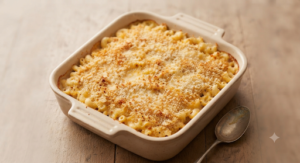
Transfer the macaroni and cheese into a lightly greased baking dish.
Mix the panko breadcrumbs with melted butter and Parmesan cheese.
Sprinkle the mixture evenly over the pasta.
Bake for approximately 20 minutes.
For an extra golden crust, broil the dish for the final two or three minutes while watching carefully to prevent burning.
Professional Tips for Success
Great homemade macaroni and cheese depends on technique as much as ingredients. Professional chefs follow a few simple rules to ensure consistent results.
Always shred cheese from a block rather than buying pre-shredded cheese. Freshly shredded cheese melts more smoothly and produces a creamier sauce.
Never allow the sauce to boil after adding the cheese. Excessive heat can separate the fats from the proteins, creating a grainy texture.
Undercook the pasta slightly. This prevents it from becoming soft after baking.
Taste the sauce before combining it with the pasta. Once mixed, adjusting the seasoning becomes more difficult.
Use freshly ground black pepper whenever possible for a brighter, more aromatic flavor.
Common Mistakes to Avoid
Many homemade macaroni and cheese recipes fail because of a few avoidable mistakes.
One of the most common errors is using pre-shredded cheese. While convenient, it often contains anti-caking agents that interfere with smooth melting.
Another mistake is overheating the cheese sauce. Cheese should melt gently over low heat rather than boil.
Overcooking the pasta is also a frequent problem. Mushy pasta can ruin the texture of the finished dish.
Using only one type of cheese often results in a less complex flavor. Combining multiple cheeses creates a more balanced and satisfying taste.
Finally, avoid making the sauce too thick before adding the pasta. The pasta absorbs moisture as it rests, naturally thickening the dish.
Delicious Variations
One of the reasons mac and cheese remains so popular is its versatility.
For a smoky flavor, add diced smoked bacon or smoked Gouda cheese.
For extra protein, mix in grilled chicken, shredded rotisserie chicken, or cooked pulled pork.
Seafood lovers can create an elegant version by adding cooked lobster, shrimp, or crab meat.
Vegetables such as broccoli, spinach, roasted cauliflower, mushrooms, or caramelized onions blend beautifully with the creamy cheese sauce.
Spice enthusiasts may enjoy diced jalapeños, crushed red pepper flakes, or a splash of hot sauce for additional heat.
Each variation transforms the dish while preserving the comforting qualities that make homemade macaroni and cheese an American favorite.
Serving Suggestions
Homemade mac and cheese is one of the most versatile dishes in American cuisine. It can be served as a comforting main course, a hearty side dish, or even the centerpiece of a festive meal. Its creamy texture and rich flavor pair beautifully with a wide variety of proteins, vegetables, and fresh salads.
For a classic family dinner, serve mac and cheese alongside roasted chicken, grilled steak, or barbecue ribs. The creamy pasta balances the smoky flavors of grilled meats and creates a satisfying combination that appeals to both children and adults.
If you prefer lighter meals, pair it with a crisp green salad dressed with a simple vinaigrette. The fresh vegetables provide a refreshing contrast to the richness of the cheese sauce.
Steamed vegetables such as broccoli, green beans, asparagus, or Brussels sprouts are also excellent choices. They add color, texture, and nutritional value while complementing the creamy pasta.
Freshly baked garlic bread or warm dinner rolls are perfect for soaking up every bit of the delicious cheese sauce.
For holiday gatherings such as Thanksgiving, Christmas, or family reunions, baked macaroni and cheese is often served alongside roasted turkey, glazed ham, mashed potatoes, stuffing, and cranberry sauce. Its comforting flavor makes it one of the most requested dishes on the table.
Nutritional Information
The nutritional value of homemade mac and cheese depends on the ingredients used, the portion size, and any optional additions. The following values are approximate for one average serving.
Calories: 520–650
Protein: 22–28 grams
Carbohydrates: 45–55 grams
Fat: 28–35 grams
Saturated Fat: 16–20 grams
Calcium: Approximately 35% of the recommended daily intake
Sodium: Varies depending on the cheeses and seasonings used
Because cheese is naturally rich in calcium and protein, homemade macaroni and cheese provides important nutrients that support healthy bones and muscles. However, it is also relatively high in calories and saturated fat, making moderation the key to enjoying it as part of a balanced diet.
How to Store Leftovers
One of the advantages of homemade mac and cheese is that leftovers can be enjoyed for several days if stored properly.
Allow the dish to cool to room temperature before transferring it to an airtight container. Refrigerate within two hours of cooking to maintain food safety.
Properly stored, homemade macaroni and cheese will remain fresh in the refrigerator for up to four days.
When freezing, divide the pasta into individual portions. Wrap each portion tightly or place it in freezer-safe containers. Frozen mac and cheese can maintain good quality for up to three months.
Label each container with the freezing date to ensure the best flavor and texture.
How to Reheat Mac and Cheese
Reheating macaroni and cheese correctly helps restore its creamy consistency.
For microwave reheating, place a serving in a microwave-safe bowl. Add one or two tablespoons of milk before heating. Cover loosely and heat in short intervals, stirring between each interval until thoroughly warmed.
For oven reheating, transfer the pasta to a baking dish, add a small amount of milk, cover with aluminum foil, and bake at 350°F (175°C) until heated through.
Adding a little milk prevents the sauce from drying out and helps recreate its original creaminess.
Avoid overheating, as excessive heat can cause the cheese sauce to separate.
Healthier Ways to Make Mac and Cheese
Although traditional macaroni and cheese is considered comfort food, there are several ways to make it lighter without sacrificing flavor.
Whole wheat pasta adds extra fiber and creates a slightly nuttier taste.
Reduced-fat cheese can lower the calorie content while still providing excellent flavor.
Low-fat milk may replace whole milk, though the sauce will be slightly less rich.
Greek yogurt can replace part of the cheese sauce to increase protein while maintaining creaminess.
Pureed vegetables such as cauliflower, butternut squash, or carrots can be blended into the sauce to increase nutritional value without dramatically changing the taste.
Adding vegetables like spinach, peas, broccoli, or roasted peppers creates a more balanced meal and introduces additional vitamins and minerals.
Frequently Asked Questions
What is the best cheese for homemade mac and cheese?
Sharp cheddar remains the most popular choice because of its rich flavor and excellent melting qualities. However, combining cheddar with Gruyère, Monterey Jack, or Gouda creates a creamier and more flavorful sauce.
Can I make mac and cheese ahead of time?
Yes. Assemble the recipe completely, cover it tightly, and refrigerate it for up to 24 hours before baking. This makes it an excellent option for holidays and dinner parties.
Why did my cheese sauce become grainy?
Grainy cheese sauce usually results from overheating the cheese or using pre-shredded cheese that contains anti-caking agents. Always melt cheese slowly over low heat for the smoothest results.
Can I freeze homemade mac and cheese?
Absolutely. Freeze individual portions in airtight containers for up to three months. Thaw overnight in the refrigerator before reheating for the best texture.
Which pasta shapes work best?
Elbow macaroni is the traditional choice, but shells, cavatappi, rotini, fusilli, and penne also hold cheese sauce exceptionally well.
Can I make this recipe gluten-free?
Yes. Simply substitute gluten-free pasta and use a gluten-free all-purpose flour blend for the roux. The remaining ingredients are naturally gluten-free, but always check product labels to confirm.
Can I prepare it without baking?
Certainly. Many people prefer a stovetop version because it is extra creamy. After mixing the pasta with the cheese sauce, serve it immediately without transferring it to the oven.
How can I make the dish spicier?
Add diced jalapeños, cayenne pepper, crushed red pepper flakes, or a few drops of your favorite hot sauce. These ingredients enhance the flavor without overpowering the creamy cheese sauce.
Expert Tips for Restaurant-Quality Results
Professional chefs often emphasize that outstanding mac and cheese begins with patience and quality ingredients. Freshly grated cheese, properly cooked pasta, and careful temperature control make a noticeable difference.
Allow the cheese to melt gradually rather than rushing the process. Stir continuously to maintain a smooth and velvety sauce. Taste as you cook, adjusting the seasoning to suit your preferences.
Finally, remember that simple recipes often rely on technique more than complexity. Paying attention to each step will reward you with a rich, creamy, and satisfying dish that rivals those served in your favorite restaurants.
Serving Suggestions
Homemade mac and cheese is one of the most versatile dishes in American cuisine. It can be served as a comforting main course, a hearty side dish, or even the centerpiece of a festive meal. Its creamy texture and rich flavor pair beautifully with a wide variety of proteins, vegetables, and fresh salads.
For a classic family dinner, serve mac and cheese alongside roasted chicken, grilled steak, or barbecue ribs. The creamy pasta balances the smoky flavors of grilled meats and creates a satisfying combination that appeals to both children and adults.
If you prefer lighter meals, pair it with a crisp green salad dressed with a simple vinaigrette. The fresh vegetables provide a refreshing contrast to the richness of the cheese sauce.
Steamed vegetables such as broccoli, green beans, asparagus, or Brussels sprouts are also excellent choices. They add color, texture, and nutritional value while complementing the creamy pasta.
Freshly baked garlic bread or warm dinner rolls are perfect for soaking up every bit of the delicious cheese sauce.
For holiday gatherings such as Thanksgiving, Christmas, or family reunions, baked macaroni and cheese is often served alongside roasted turkey, glazed ham, mashed potatoes, stuffing, and cranberry sauce. Its comforting flavor makes it one of the most requested dishes on the table.
Nutritional Information
The nutritional value of homemade mac and cheese depends on the ingredients used, the portion size, and any optional additions. The following values are approximate for one average serving.
Calories: 520–650
Protein: 22–28 grams
Carbohydrates: 45–55 grams
Fat: 28–35 grams
Saturated Fat: 16–20 grams
Calcium: Approximately 35% of the recommended daily intake
Sodium: Varies depending on the cheeses and seasonings used
Because cheese is naturally rich in calcium and protein, homemade macaroni and cheese provides important nutrients that support healthy bones and muscles. However, it is also relatively high in calories and saturated fat, making moderation the key to enjoying it as part of a balanced diet.
How to Store Leftovers
One of the advantages of homemade mac and cheese is that leftovers can be enjoyed for several days if stored properly.
Allow the dish to cool to room temperature before transferring it to an airtight container. Refrigerate within two hours of cooking to maintain food safety.
Properly stored, homemade macaroni and cheese will remain fresh in the refrigerator for up to four days.
When freezing, divide the pasta into individual portions. Wrap each portion tightly or place it in freezer-safe containers. Frozen mac and cheese can maintain good quality for up to three months.
Label each container with the freezing date to ensure the best flavor and texture.
How to Reheat Mac and Cheese
Reheating macaroni and cheese correctly helps restore its creamy consistency.
For microwave reheating, place a serving in a microwave-safe bowl. Add one or two tablespoons of milk before heating. Cover loosely and heat in short intervals, stirring between each interval until thoroughly warmed.
For oven reheating, transfer the pasta to a baking dish, add a small amount of milk, cover with aluminum foil, and bake at 350°F (175°C) until heated through.
Adding a little milk prevents the sauce from drying out and helps recreate its original creaminess.
Avoid overheating, as excessive heat can cause the cheese sauce to separate.
Healthier Ways to Make Mac and Cheese
Although traditional macaroni and cheese is considered comfort food, there are several ways to make it lighter without sacrificing flavor.
Whole wheat pasta adds extra fiber and creates a slightly nuttier taste.
Reduced-fat cheese can lower the calorie content while still providing excellent flavor.
Low-fat milk may replace whole milk, though the sauce will be slightly less rich.
Greek yogurt can replace part of the cheese sauce to increase protein while maintaining creaminess.
Pureed vegetables such as cauliflower, butternut squash, or carrots can be blended into the sauce to increase nutritional value without dramatically changing the taste.
Adding vegetables like spinach, peas, broccoli, or roasted peppers creates a more balanced meal and introduces additional vitamins and minerals.
Frequently Asked Questions
What is the best cheese for homemade mac and cheese?
Sharp cheddar remains the most popular choice because of its rich flavor and excellent melting qualities. However, combining cheddar with Gruyère, Monterey Jack, or Gouda creates a creamier and more flavorful sauce.
Can I make mac and cheese ahead of time?
Yes. Assemble the recipe completely, cover it tightly, and refrigerate it for up to 24 hours before baking. This makes it an excellent option for holidays and dinner parties.
Why did my cheese sauce become grainy?
Grainy cheese sauce usually results from overheating the cheese or using pre-shredded cheese that contains anti-caking agents. Always melt cheese slowly over low heat for the smoothest results.
Can I freeze homemade mac and cheese?
Absolutely. Freeze individual portions in airtight containers for up to three months. Thaw overnight in the refrigerator before reheating for the best texture.
Which pasta shapes work best?
Elbow macaroni is the traditional choice, but shells, cavatappi, rotini, fusilli, and penne also hold cheese sauce exceptionally well.
Can I make this recipe gluten-free?
Yes. Simply substitute gluten-free pasta and use a gluten-free all-purpose flour blend for the roux. The remaining ingredients are naturally gluten-free, but always check product labels to confirm.
Can I prepare it without baking?
Certainly. Many people prefer a stovetop version because it is extra creamy. After mixing the pasta with the cheese sauce, serve it immediately without transferring it to the oven.
How can I make the dish spicier?
Add diced jalapeños, cayenne pepper, crushed red pepper flakes, or a few drops of your favorite hot sauce. These ingredients enhance the flavor without overpowering the creamy cheese sauce.
Expert Tips for Restaurant-Quality Results
Professional chefs often emphasize that outstanding mac and cheese begins with patience and quality ingredients.